
HISTORY, USEFULNESS AND SCOPE OF THE GESELL CHAMBER IN BOLIVIA
CRIMINAL LAW AND PROCEDURE
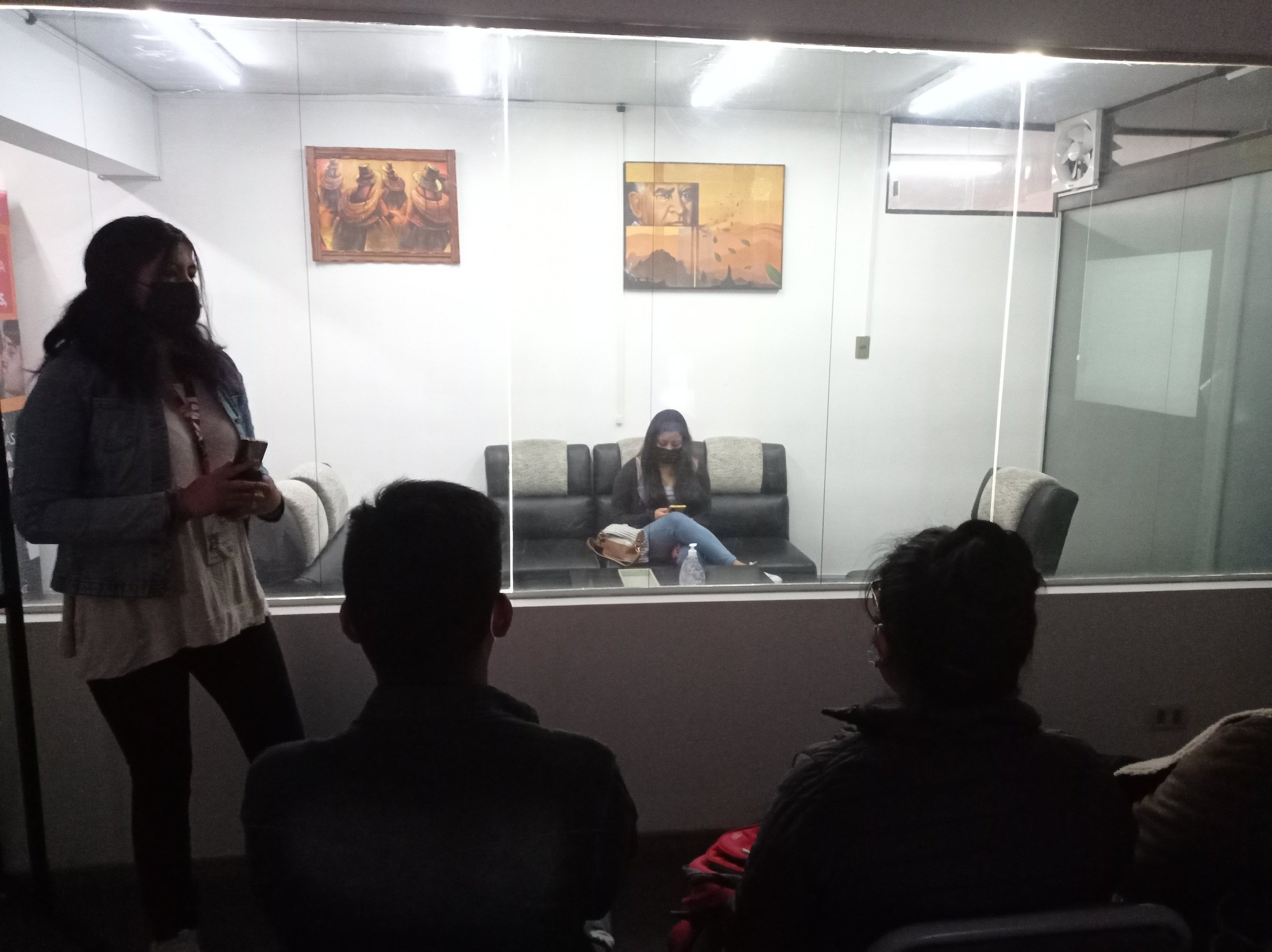
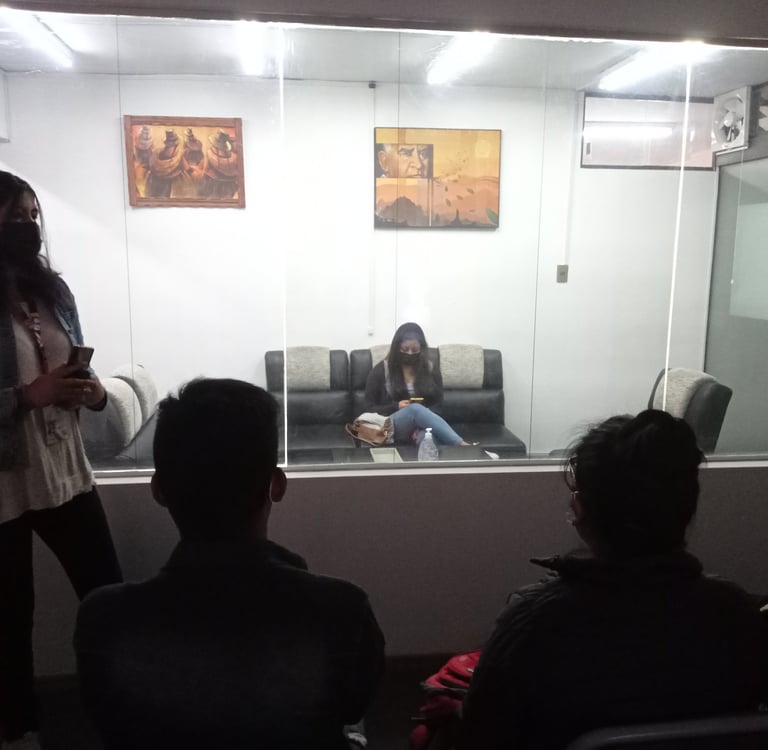
The Gesell Chamber was invented by Arnold Gesell, who was born in Wisconsin, USA, in 1880. A philosopher, psychologist, and pediatrician specializing in child development, he created the Observation Chamber, known in scientific circles as the "Gesell Chamber." This chamber consists of two rooms separated by a wall, with a large one-way mirror allowing observation of one room from the other, but not vice versa. In this way, children's behavior can be observed without any influence from the observation itself. Later, this same chamber was adapted and used in the legal field to preserve the statements of victims of sexual abuse, and its use was extended to witnesses and other types of crimes. So, what is the purpose of the Gesell Chamber? The Gesell Chamber aims to create the ideal environment for victims to describe their specific crime to the psychologist in charge. This preserves the facts as they experienced them, preventing revictimization. In other words, it avoids the need for the victim, complainant, or witness to repeatedly recount the details of their abuse or experience throughout the legal process. This statement or interview is used only once for all subsequent legal proceedings.
What types of activities can be carried out in the Gesell Chamber?
Two types of activities are carried out, which are further subdivided. The first are Investigative Activities, which include various actions such as psychological interviews, identification procedures, confrontations, and psychological evaluations. The second type is Jurisdictional Activities, which involve two actions: the first is the taking of evidence in advance, and the second consists of certain types of actions during the Oral Trial Hearing.
What is the importance of the Gesell Chamber in Bolivia?
The infrastructure of institutions within the criminal justice system, including the Police, the Public Prosecutor's Office, the Public Defender's Office, the Judiciary, and the Penitentiary System, lacked a child-centered approach. These spaces were designed for adults who work and move through them. However, when children and adolescents visit these offices, chambers, and other areas, they encounter cold, inappropriate, and indifferent environments, regardless of whether they are victims or witnesses. This is the primary reason for creating child-friendly spaces where they can feel relaxed, reduce their anxiety levels, and feel safe and confident when giving their account. The most important thing is to preserve the victim's or witness's narrative to prevent them from being revictimized by the various individuals involved throughout the judicial process.
What is the legal framework governing the Gesell Chamber?
The Political Constitution of the State, in its various articles, establishes a mechanism such as the use of the Gesell Chamber as a means of support in processes involving special victims (13, 14, 15, 58, 59, and 60). Turning to the international legal framework, we have different treaties such as the Declaration of the Rights and Duties of Man, the American Convention on Human Rights – Pact of San José, Costa Rica, the Declaration of the Rights of the Child, the International Covenant on Civil and Political Rights, the Convention on the Elimination of All Forms of Discrimination against Women – CEDAW, the Convention on the Rights of the Child, the Convention on the Prevention, Punishment, and Eradication of Violence against Women – Belém do Pará Convention, and the Convention on the Rights of Persons with Disabilities, among other treaties. Within the national legal framework we have Law No. 1970 Code of Criminal Procedure, Law No. 054 Law of Legal Protection of Girls, Boys and Adolescents, Law No. 260 Organic Law of the Public Ministry, Law No. 263 Comprehensive Law Against Trafficking in Persons, Law No. 348 Comprehensive Law to Guarantee Women a Life Free of Violence, Law No. 458 Law of Protection of Complainants and Witnesses, and Law No. 548 Code for Girls, Boys and Adolescents, regulations which together are responsible for regulating the rules and use of the Gesell Chamber in Bolivia.
Who can enter the Gesell Chamber?
This may vary depending on the action to be carried out during the interview, but the main parts are usually the following: in the first room or interview room, only two parties are allowed: the victim or witness and the psychologist in charge of conducting the interview; and in the second room or observation room, the following parties may enter: the Gesell Chamber operator, the prosecutor, the investigator, the parents or guardians of the victim and/or witness, the victim's lawyer, the judge, the clerk, the defense attorney, and the accused.
What aspects should be considered when entering the Gesell Chamber?
The victim and/or witness, along with the assigned psychologist, should enter the interview room half an hour beforehand to allow time to adjust and avoid any contact with the aggressor. Subsequently, the other parties involved in the proceedings enter the observation room. Once the interview has begun, no one may enter or interrupt. The psychologist will use a standardized questionnaire to ask the interviewee various questions. The observers will communicate with the psychologist to ask relevant questions, ensuring that the interviewee is not revictimized or subjected to further violence through the observers' questions. If the interview needs to be suspended, it will be for a period of 15 to 30 minutes. If it cannot be resumed after that time, a new date and time will be set for its continuation, ensuring that the room technician preserves or saves the interviewee's account. The Gesell Chamber in Bolivia has been operating for approximately 15 years, which has allowed for significant legal progress in the area of protection for the country's most vulnerable populations, such as children and adolescents, women, the elderly, and people with disabilities. By using this type of environment, individuals regain some of the dignity that was stolen from them when they faced acts of physical or sexual violence that violated their rights and forced them to seek redress through the justice system.
The Gesell Chamber gives them the opportunity to recount their experiences in a safe space, with dignified treatment, which, by avoiding revictimization, allows them to become aware of the experiences they had at the time of the event. This, in turn, allows the entire judicial system to take that account, study it, analyze it, and safeguard it, in order to advance the investigations, without the need to depend on the victim at each stage of the criminal process, and may even reach the oral trial stage with that same account.


Silvana Orieta Diaz Gutiérrez
Criminal Defense Lawyer
Contact Us.
Our Networks
Subscribe to our newsletter
Av. Alemana, Calle Los Mapajos No. 2125